The Brewfest isn't happening this year. The Friends of Washington Crossing Park, which has run the event for over a decade along the Thompson-Neely section of River Road, announced a deliberate pause for 2026 — and gave a specific reason: the park is in the middle of its most concentrated restoration and programming effort in recent memory, and the organization wanted the space to do it right. For most residents, that reads as a quiet summer. It isn't.
Washington Crossing Historic Park is currently undergoing physical changes that will outlast this anniversary year. The work is happening to buildings that people who live here pass regularly without thinking much about — and that's precisely why it's worth slowing down. The 500-acre National Historic Landmark isn't performing the same routine with a new banner. Several of its signature structures are being actively transformed, and the visitor experience being assembled around them is the most historically specific the park has offered in years.
America's 250th anniversary is the organizing occasion, and Bucks County is leaning into it. But for Washington Crossing residents, the more interesting question isn't what the national commemoration means in the abstract. It's what it looks like, concretely, when you walk into the park this summer.
The Buildings You've Walked Past Are Being Rebuilt From the Inside
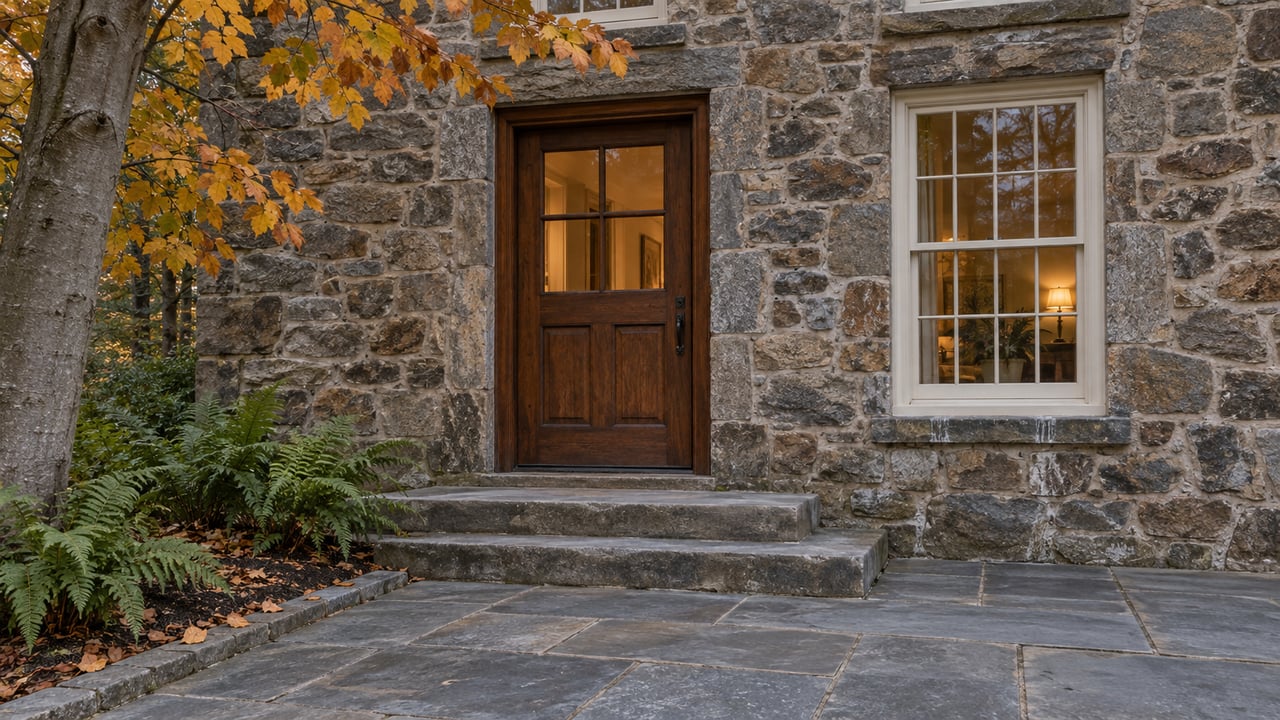
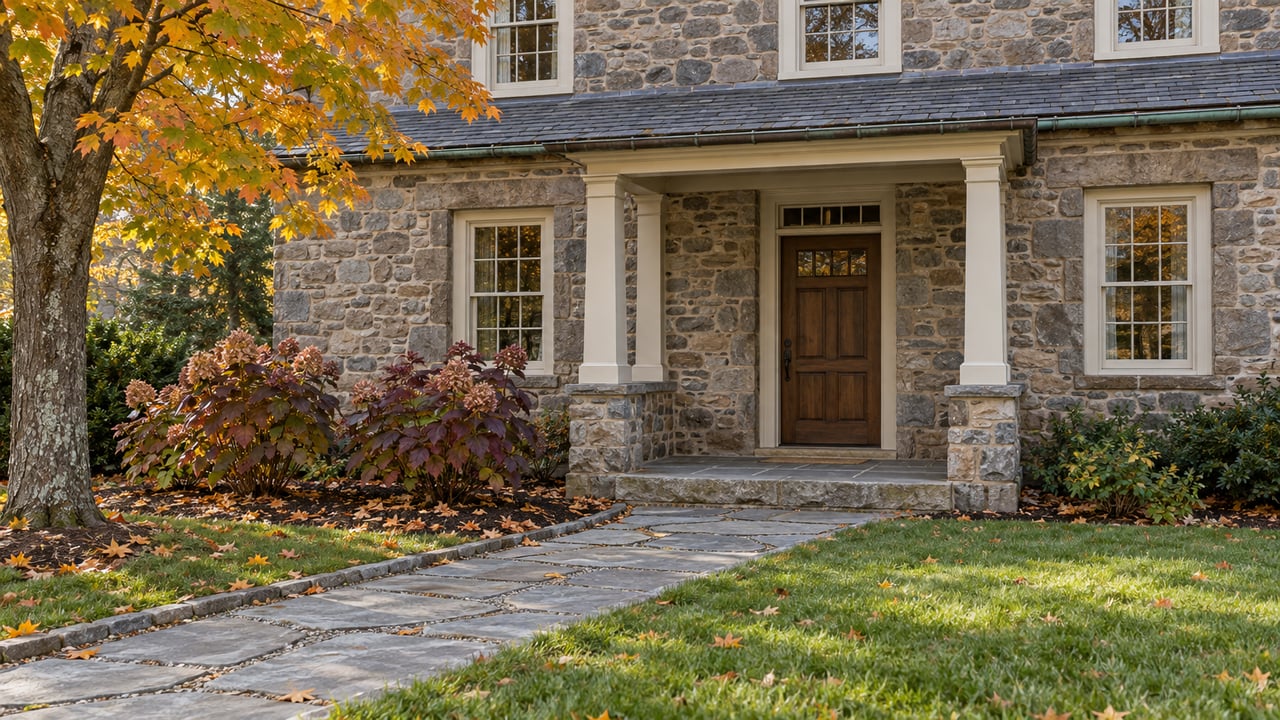
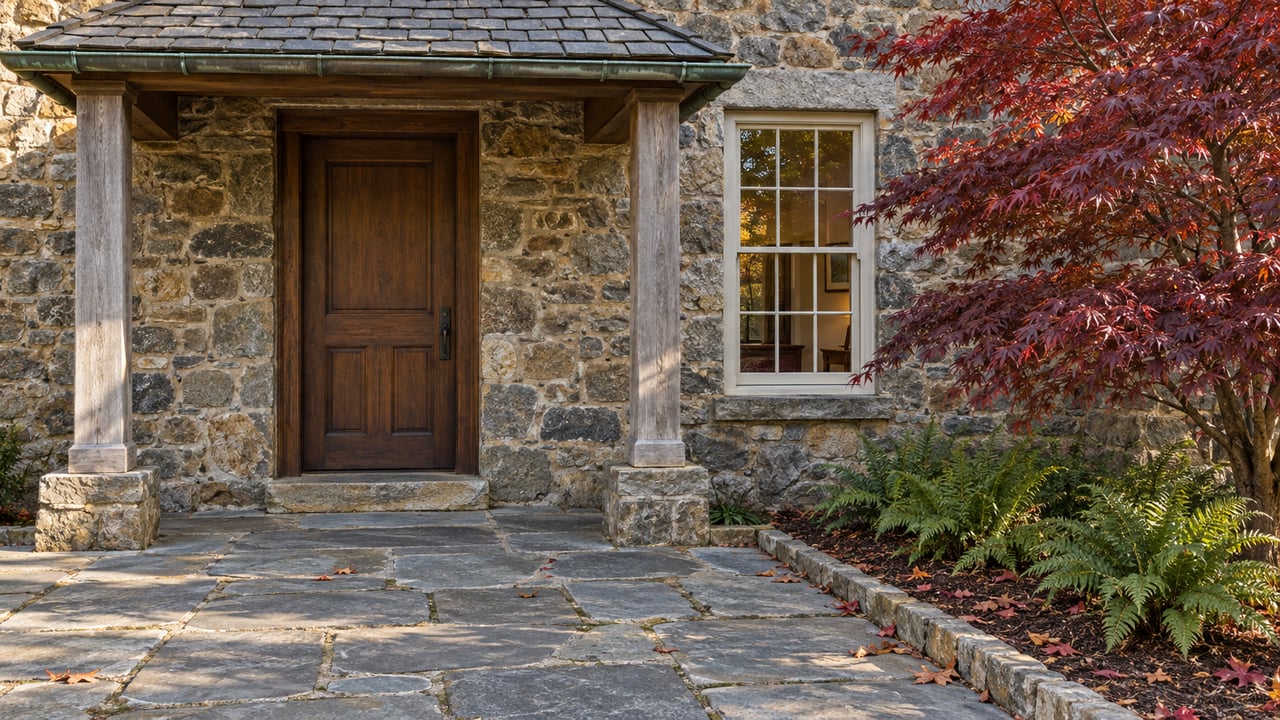
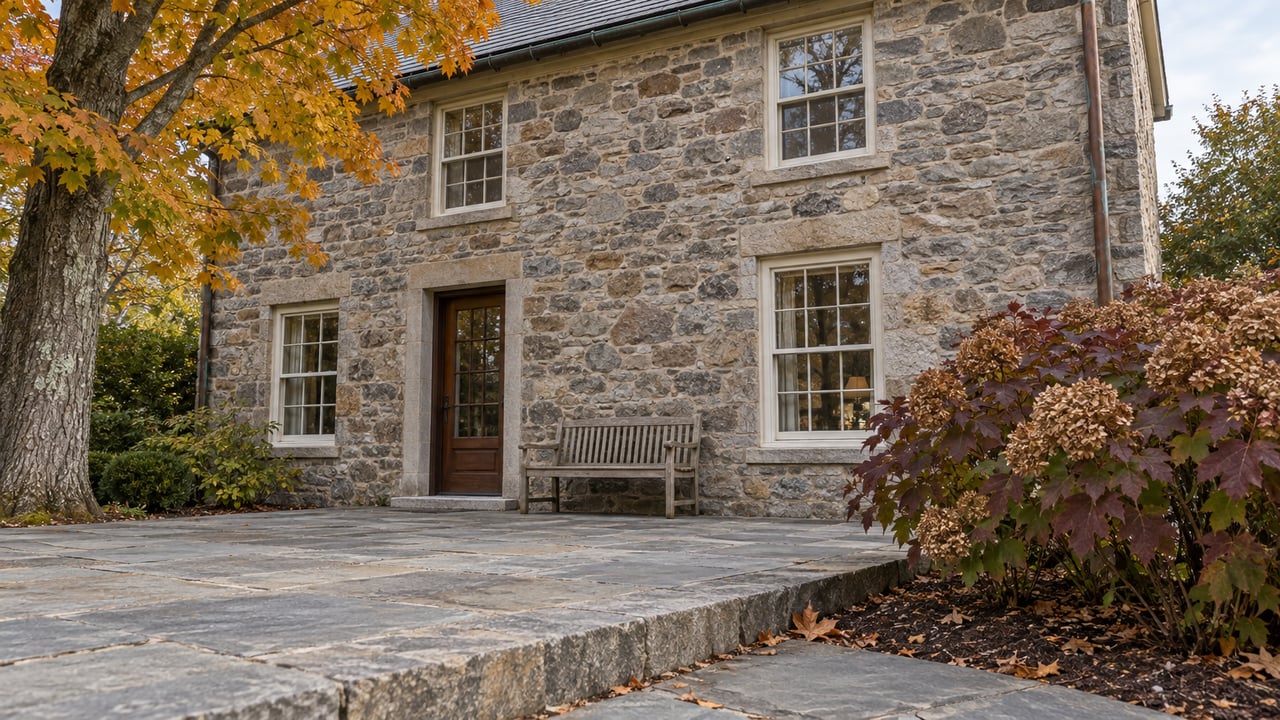
McConkey's Ferry Inn is the building most associated with the night of December 25, 1776 — where Washington and his officers ate dinner and finalized the plan before the crossing. The inn itself dates to the 1750s in its earliest form, with later additions through the early 1800s. It has been a landmark of the lower park for generations of Bucks County residents who have walked past it, peered through the windows, and moved on.
This year, that building is undergoing a full rehabilitation. According to the Friends of Washington Crossing Park, the restoration of McConkey's Ferry Inn is one of the centerpiece capital projects of the 2026 initiative, alongside upgrades to the Thompson-Neely Grist Mill in the upper park. When the rehabilitation is complete, the inn will feature new exhibits and authentic 18th-century uniforms, moving from a building you observe to one that gives you something to read against.
The Thompson-Neely House, which served as a military hospital during Washington's encampment in Bucks County, has also received refreshed exhibits this year focused on 18th-century military life, including replica uniforms and weaponry. Artifacts on loan from institutions including the Mercer Museum and the Swan Historical Foundation are part of the broader exhibit program across the park for 2026.
The Durham Boat Project Is Something New
The boat barn in the lower park has always been one of the more quietly impressive things at Washington Crossing. It houses five replica Durham boats — the shallow-draft, 40-foot vessels that carried Washington's 2,400 soldiers across the Delaware on Christmas night. Two of the replicas were built in Point Pleasant, New Jersey in 1965 and 1976; three others were constructed by boatbuilder Paul Rollins of York, Maine in 1996 and 1997. They are used each December for the reenactment, then sit in the barn for the rest of the year.
The Durham Boat Project changes that. The 2026 initiative makes a full-scale replica accessible to visitors year-round, so people can climb aboard and get a tactile sense of the scale involved. At 40 feet, with the low freeboard these boats required to navigate the river shallows, the crossing in December sleet becomes something other than an illustration in a textbook. It is the kind of exhibit that works precisely because the object is real.
What Changed, at a Glance
| Feature | Before 2026 | Summer 2026 |
|---|---|---|
| McConkey's Ferry Inn | Landmark building, exterior viewing | Active rehabilitation with new exhibits and period uniforms |
| Thompson-Neely House | Standard exhibits | Refreshed displays on military life; artifact loans from Mercer Museum and Swan Historical Foundation |
| Thompson-Neely Grist Mill | Operational historic site | Capital upgrades underway |
| Durham Boat access | December reenactment only | Year-round, climbable replica experience |
| Annual Brewfest | Late summer event | Paused for 2026; returning in 2027 |
| Independence Day | Standard programming | Enhanced America250 community celebration |
Bowman's Hill Deserves a Separate Trip
Most Washington Crossing residents treat Bowman's Hill Wildflower Preserve as a plan they keep meaning to execute. The preserve sits on the opposite side of River Road from the upper park — 134 acres of native Pennsylvania plants within the Pidcock Creek Valley, with 4.5 miles of trails running through woodland, meadows, and along streams and ponds. It is the only accredited botanical museum in the country dedicated exclusively to native plants, with over 700 of Pennsylvania's 2,000 native plant species documented and growing in place.
The practical case for going this summer is specific. On June 12, the preserve is hosting its 2026 Native Plant Conference, "Cultivating Ecological Stewardship," at Delaware Valley University — an event oriented toward gardeners, naturalists, and anyone thinking seriously about their own property. The annual spring Native Plant Sale, a reliable draw for locals who want plants that are genuinely suited to this corner of Pennsylvania, is running in its usual late-spring window. The on-site nursery propagates from the preserve's own stock, which means the plants are locally sourced and grown without neonicotinoids — a distinction that matters if you're planning to use them to support pollinators.
The twin ponds near the center of the preserve are the most underused part of the property. Wood ducks, great blue herons, and kingfishers are regulars; an osprey passes through during migration. There is a bird blind positioned at the ponds so you can watch without disturbing anything. Bring binoculars.
A few practical notes before you go:
- Hours (April through June): 9 a.m. to 5 p.m. daily; last entry at 4 p.m.
- Admission: $12 adults, $9 for children 5–17, free for children under 5
- Membership: $60 individual, $90 household — includes free admission, plant sale discounts, and event priority
- Cell service: Unreliable in the woods. Download the trail map before leaving the parking lot.
- Food: There is no café. The gift shop carries snacks and water. Plan accordingly.
The Route That Connects It All
The two sections of Washington Crossing Historic Park — the lower village at the intersection of Routes 32 and 532, and the upper section near the Thompson-Neely House — are 3.5 miles apart along River Road. Bowman's Hill sits just across that road from the upper park. The Delaware Canal towpath runs between them, flat and tree-lined, and connects the geography in a way that makes the colonial history feel less like a series of stops and more like a continuous place.
For lunch between the preserve and the lower park, the Washington Crossing Inn is the reliable option that locals tend to underrate. Francisco's on the River, a dinner-only BYOB tucked into a bend in River Road just north of the visitor center, is worth knowing about if you are planning an evening rather than an afternoon. Neither place requires a reservation weeks in advance the way comparable spots in New Hope do, which is part of the point of living close to this stretch of the river.
The park's enhanced Independence Day celebration this summer is expected to be the largest America250 event on the calendar for this section of Bucks County. The Friends of Washington Crossing Park have also received a $15,000 grant through America250PA's Lecture250 Series to support a signature public lecture on the writing and dissemination of the Declaration of Independence — the kind of programming that pairs well with the physical exhibits being installed across the park this year.
This summer's version of Washington Crossing Historic Park is worth more than a background awareness. The restorations, the new exhibits, the Durham Boat Project, and the America250 programming are all happening at once, and they will not all look like this again. Residents who have been meaning to take out-of-town guests often default to New Hope. This summer, the better answer is to start here.
If you are thinking about buying or selling a home in Washington Crossing or the surrounding Bucks County river towns, Addison Wolfe Real Estate knows this market at the street level. Contact us to talk through what you are considering.