If you want a town that feels charming on a Tuesday morning and lively on a Saturday night, New Hope stands out. You may be looking for a full-time home, a weekend retreat, or simply a place with more character than a typical suburb. In New Hope, you get a compact river-town setting, a strong arts presence, walkable streets, and practical access to both Philadelphia and New York City. Let’s take a closer look at what living here is really like.
Why New Hope Feels Different
New Hope is a small borough of about 1.25 square miles on the west bank of the Delaware River. It sits next to Solebury Township and across the river from Lambertville, New Jersey, which adds to the area’s connected, cross-river feel. According to the borough, it is roughly midway between New York City and Center City Philadelphia, with access from Route 202, Route 32, and the New Hope–Lambertville Bridge.
That location helps explain why New Hope attracts both residents and visitors year-round. The borough describes it as a place known for arts and culture, eclectic shops, historic inns and homes, riverfront scenery, and restaurants. If you move here, you are not choosing a sleepy residential pocket. You are choosing a small town with steady energy and a strong sense of place.
Daily Life in New Hope
One of the biggest draws is how much is packed into a compact footprint. Downtown has a walkable, river-town rhythm, and many of the places people enjoy most are close together. That can make everyday life feel more connected and less car-dependent than in a more spread-out suburban setting.
At the same time, New Hope is also a popular destination. The borough notes that tourism runs year-round and tends to increase on weekends. In practical terms, that means Friday through Sunday often feel busier, more social, and more active than a typical residential community.
Expect a Livelier Weekend Pace
For some buyers, that energy is part of the appeal. You may like the fact that there is often something happening, whether that means dinner by the river, a performance, or people out enjoying the town. For others, it is important to understand that the town’s popularity shapes traffic, parking, and the general feel of downtown at peak times.
Parking is a good example of this daily rhythm. The borough says downtown parking includes on-street spaces, borough lots, and private lots, with pay-by-plate kiosks in municipal areas. If you are considering a move, it helps to think about how often you want to be in the center of town and what level of convenience matters most to you.
Dining, Arts, and Entertainment
New Hope’s identity is closely tied to food, culture, and entertainment. Visit Bucks County highlights a mix of riverside dining and contemporary restaurants, including Stella, The Deck at the Bucks County Playhouse, Odette’s, The Salt House, Nektar, and Zoubi. That range gives the town a dining scene that feels unusually robust for its size.
The arts are just as central. Bucks County Playhouse describes itself as a nationally renowned historic theater on the Delaware River, offering mainstage productions, arts education, and community programs. New Hope Arts also adds to the cultural life of the borough by providing a venue for exhibitions and performances, along with free access to visual art and outdoor sculpture in and around town.
A Calendar With Year-Round Activity
Seasonal and recurring events help shape the local lifestyle. The borough’s community events page highlights New Hope Celebrates Pride Festival, performances at Bucks County Playhouse, and children’s activities at Bucks County Children’s Museum. New Hope Celebrates describes PrideFest as a weeklong celebration centered on a parade and fair.
If you are deciding whether New Hope fits your lifestyle, this matters. Some towns offer charm but limited activity. New Hope offers charm with an established cultural calendar, which can make the area feel active and engaging throughout the year.
Riverfront Recreation and Outdoor Access
Living in New Hope also means having the river and canal woven into daily life. Delaware Canal State Park is one of the most important outdoor assets in the area. The Pennsylvania Department of Conservation and Natural Resources says the canal towpath stretches roughly 58.89 to 60 miles and is open daily from sunrise to sunset for walking and biking.
For New Hope residents, access is nearby at Lock 11 and the Locktender’s House. That makes it easier to fit in a morning walk, bike ride, or quiet stretch along the canal without planning a full day around it. The setting adds a layer of calm that balances the activity downtown.
Small Parks, Scenic Views
The borough also maintains several small parks that reinforce the town’s riverfront character. Ferry Landing Park offers benches overlooking the Delaware River. Lenape Park includes shade, benches, and views of the New Hope-Ivyland train, while East Randolph Street Pocket Park sits directly on the river.
These spaces may be modest in size, but they contribute a great deal to everyday quality of life. They give you places to pause, take in the water, and enjoy the scenery that makes New Hope distinct. Combined with the canal and downtown layout, they help the borough feel more like a true walking town than a conventional suburb.
Homes With History and Character
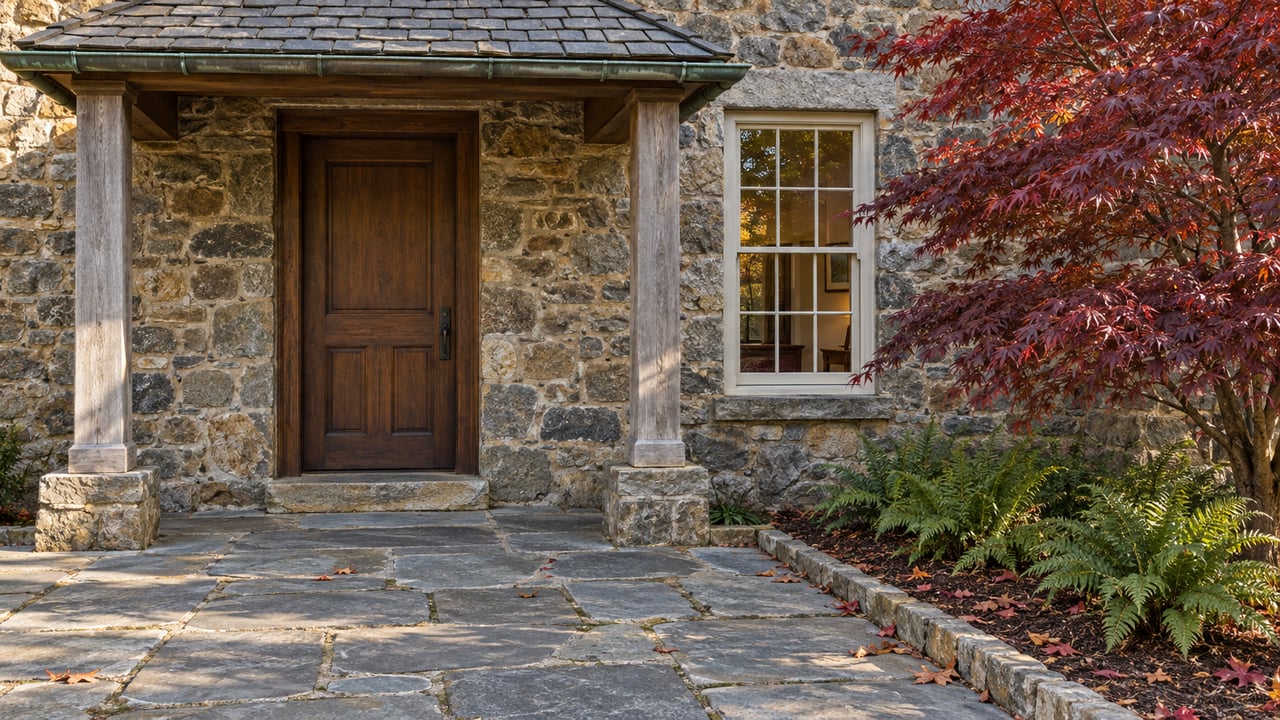
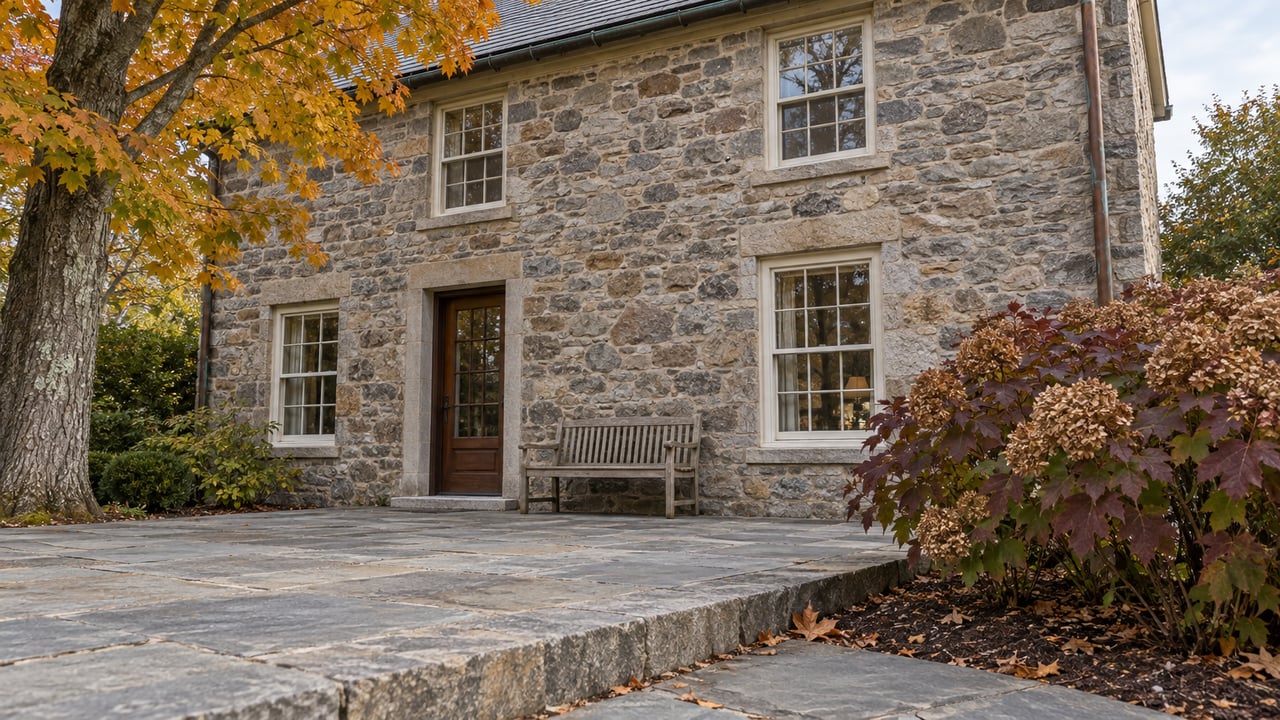
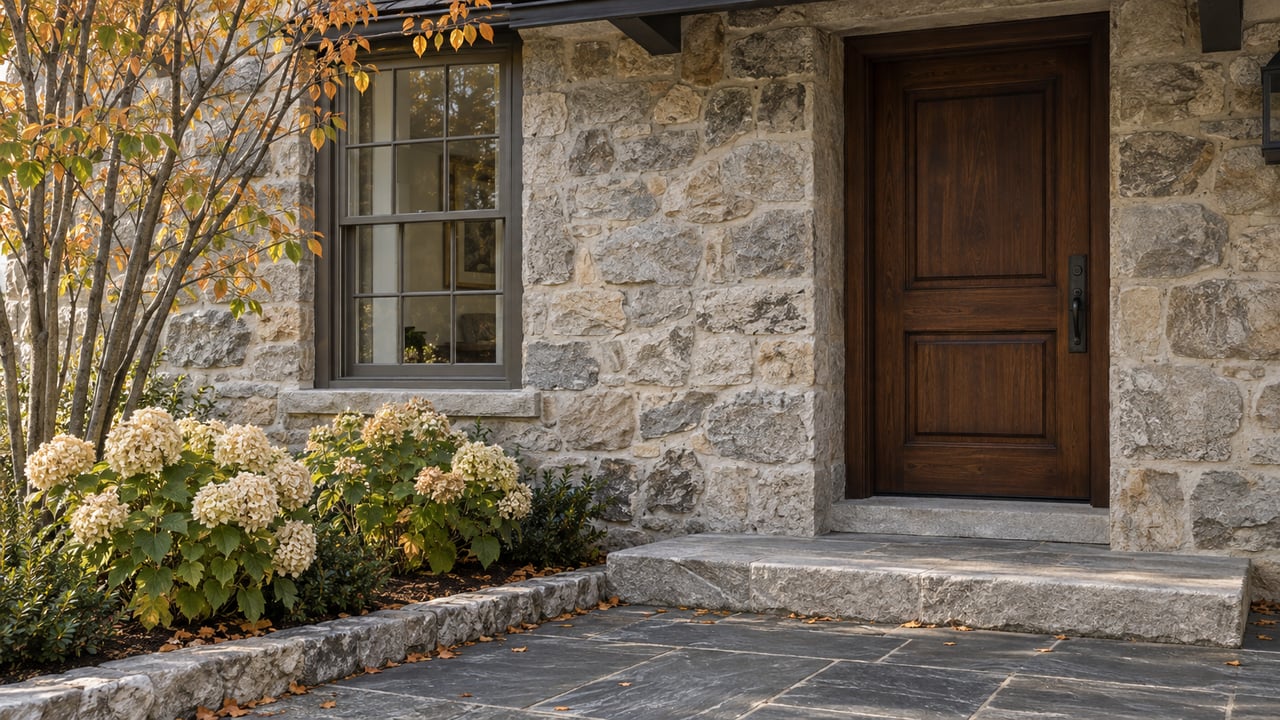
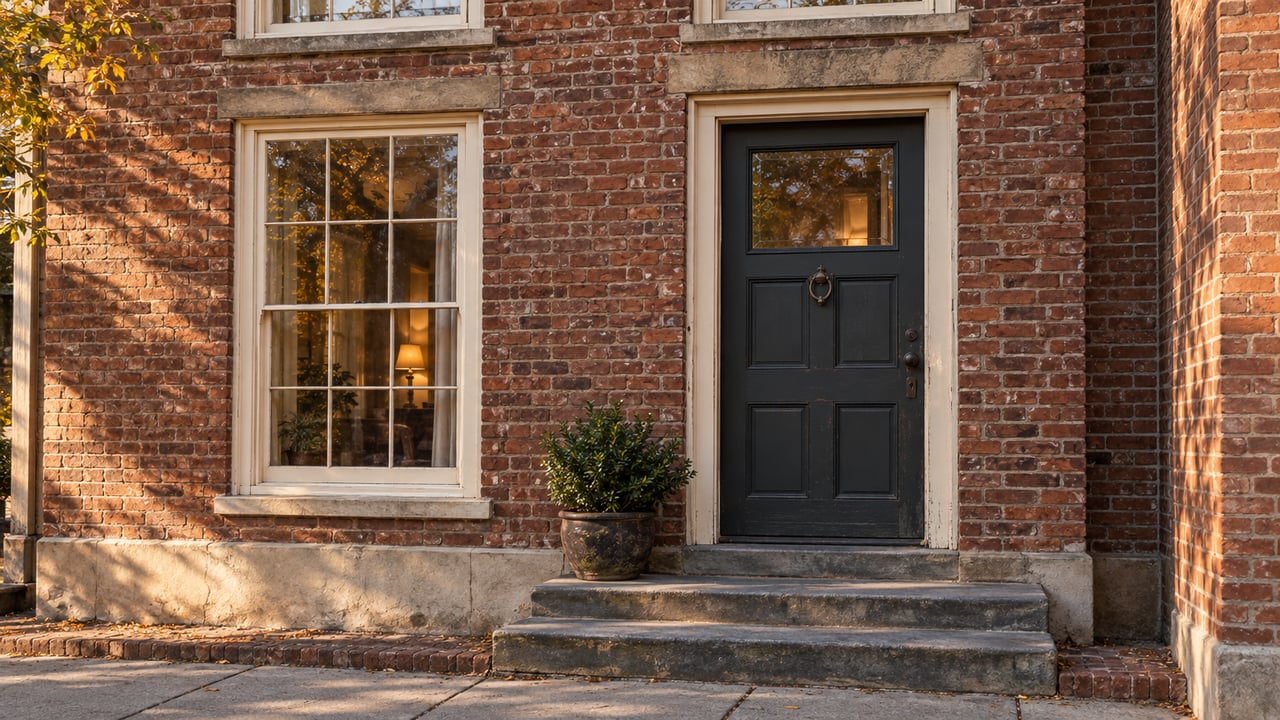
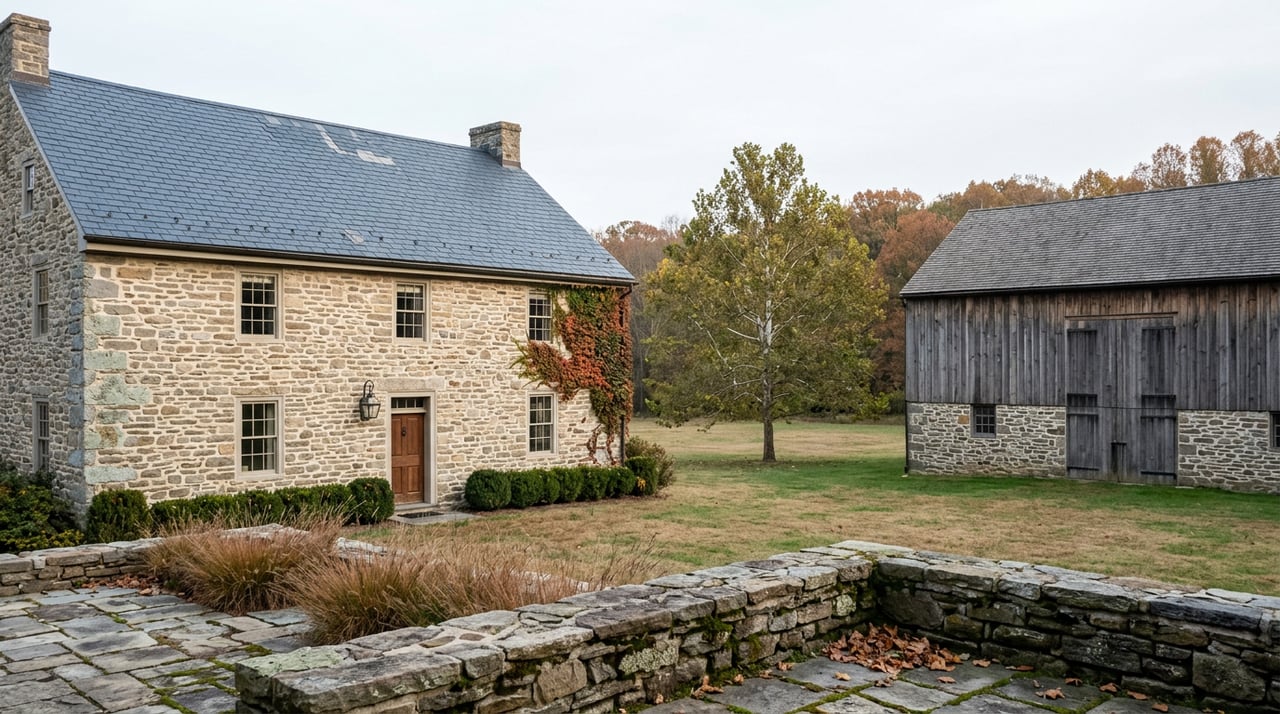
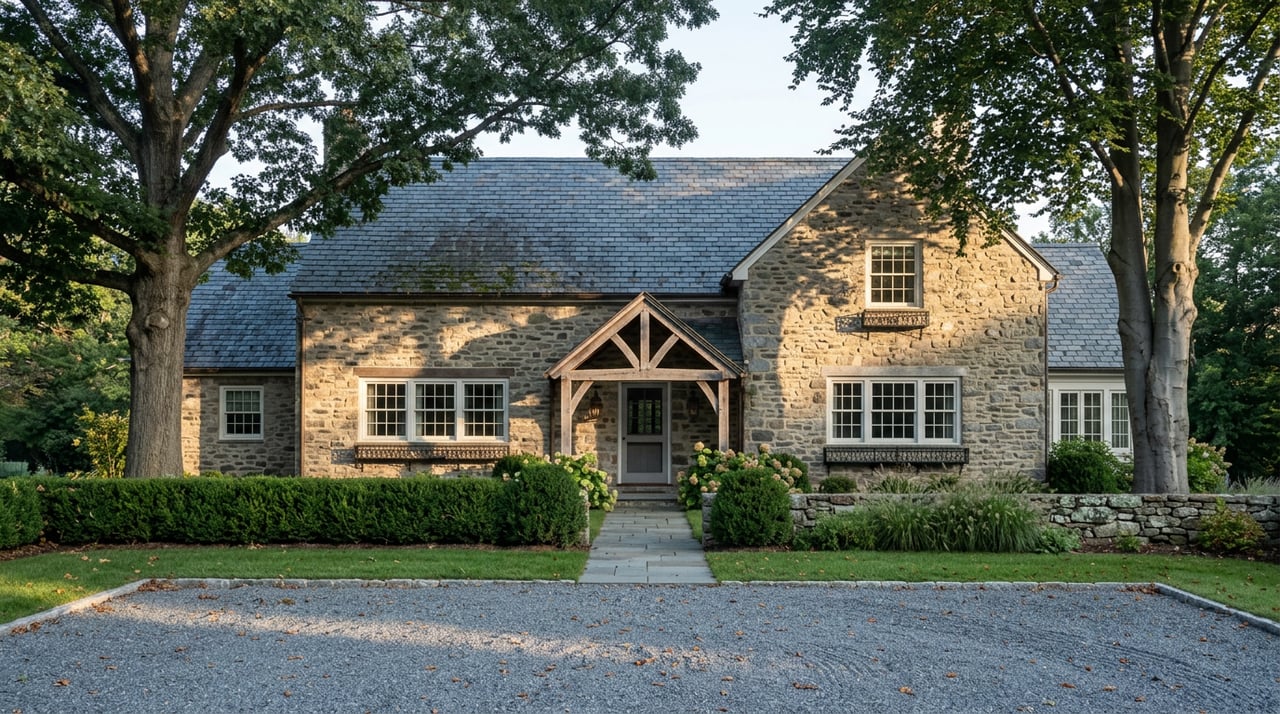
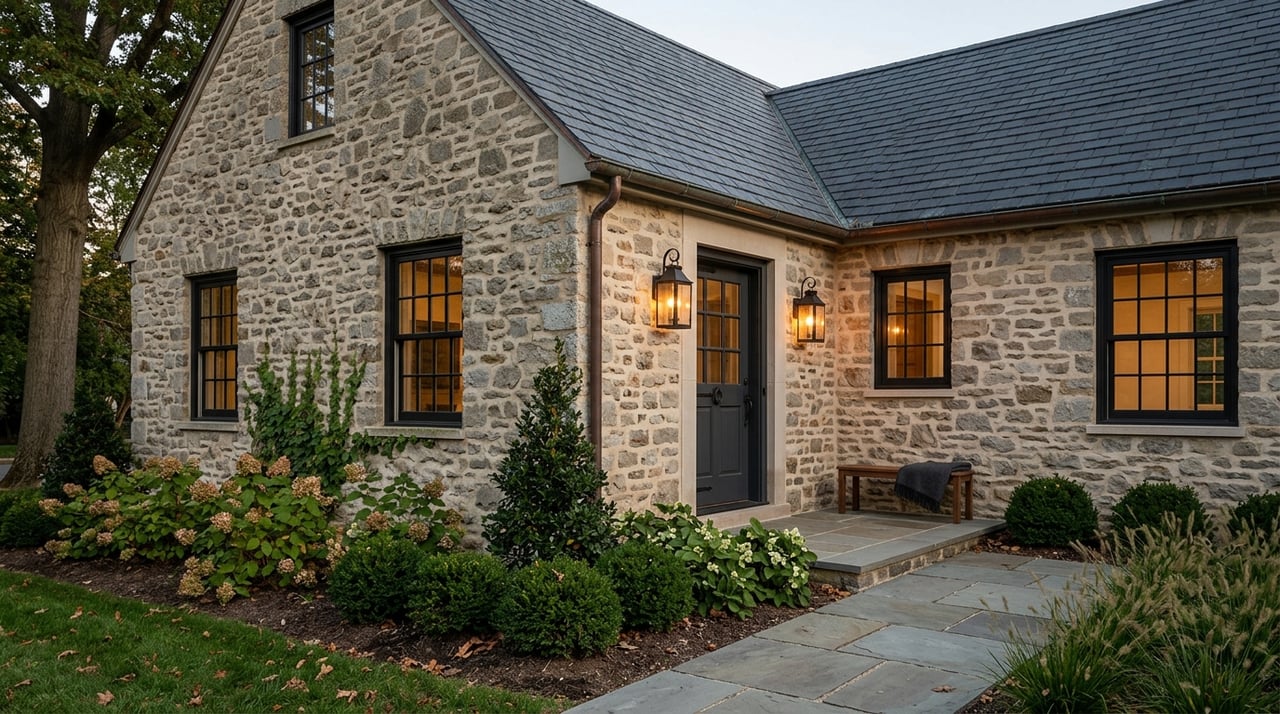
New Hope’s housing stock reflects the borough’s long history and preservation focus. If you are drawn to older homes and architecture with personality, this is a meaningful part of the market. The borough’s design guidelines identify a wide range of styles in the Historic District, including Georgian, Colonial Vernacular, Federal, Italianate, Gothic Revival, French Second Empire, Queen Anne, Colonial Revival, Tudor Revival, American Four-Square, and Vernacular.
In other words, New Hope is not architecturally uniform. It is layered. That mix gives the housing market visual depth and appeal, especially for buyers who want a home with detail, presence, and a clear sense of place.
Historic District Rules Matter
If you are considering a property in the Historic District, preservation rules are an important part of ownership. The borough states that exterior work within the Historic District requires a Certificate of Appropriateness before a zoning or building permit can be issued. HARB reviews exterior changes that are visible from public streets.
That does not mean owning a historic home is not rewarding. It means buyers should understand that stewardship comes with process. If you appreciate heritage, architecture, and thoughtful preservation, those guidelines may feel like a benefit rather than a burden.
What to Know About New Hope Home Prices
New Hope is a small, premium market with limited inventory. Zillow reported an average home value of $938,110 and a median list price of $1,480,833 as of March 31, 2026, with 36 homes for sale. Redfin’s March 2026 market page showed a median sale price of about $1.2 million.
Those figures suggest a market where demand, scarcity, and property character all matter. In a place this small, one home can be very different from the next in age, condition, location, and architectural significance. That is one reason pricing can vary sharply across the borough.
Why Local Guidance Matters Here
In New Hope, you are often not comparing interchangeable houses. You may be comparing a preserved in-town historic property, a home just outside the most active downtown blocks, or a residence with very different renovation needs and design details. A broad online estimate can only tell you so much in a market this nuanced.
That is especially true for distinctive homes. Buyers need context on value, condition, and restrictions, while sellers benefit from positioning that reflects what makes a property special. In a market like New Hope, local knowledge is not a bonus. It is part of making informed decisions.
Is New Hope Right for You?
New Hope tends to appeal to buyers who want more than square footage alone. You may be looking for walkability, architecture, culture, outdoor access, or a setting that feels both established and destination-worthy. The borough offers that combination in a way few small towns do.
Still, lifestyle fit matters. New Hope works best when you are comfortable with an active downtown, weekend visitors, managed parking, and premium price points. If those tradeoffs feel worthwhile, the reward is a river-town environment with real identity and convenient regional access.
Whether you are searching for a historic home, a full-time residence, or a refined retreat near the Delaware River, it helps to work with advisors who understand the details that shape value here. For tailored guidance in New Hope and the surrounding river towns, connect with Addison Wolfe Real Estate.
FAQs
What is daily life like in New Hope, PA?
- Daily life in New Hope blends a walkable downtown feel with riverfront scenery, dining, arts, and outdoor access, with weekends typically feeling busier due to tourism.
Is New Hope, PA a good place for buyers who want walkability?
- New Hope’s compact size, downtown-focused amenities, canal access, and small riverfront parks make it more walkable than many conventional suburban communities.
What kinds of homes are common in New Hope, PA?
- New Hope includes a mix of historic and architecturally layered homes, with styles such as Georgian, Federal, Italianate, Queen Anne, Colonial Revival, Tudor Revival, and other vernacular forms represented in the Historic District.
What should buyers know about historic homes in New Hope, PA?
- Buyers should know that exterior work within the Historic District requires a Certificate of Appropriateness before zoning or building permits can be issued for applicable projects.
Is New Hope, PA an expensive housing market?
- New Hope is a premium, low-inventory market, with reported March 2026 figures showing an average home value of $938,110, a median list price of $1,480,833, and a median sale price of about $1.2 million.
What makes New Hope, PA different from a typical suburb?
- New Hope stands out for its river-town setting, strong arts and dining scene, historic architecture, canal and river access, and location between Philadelphia and New York City.